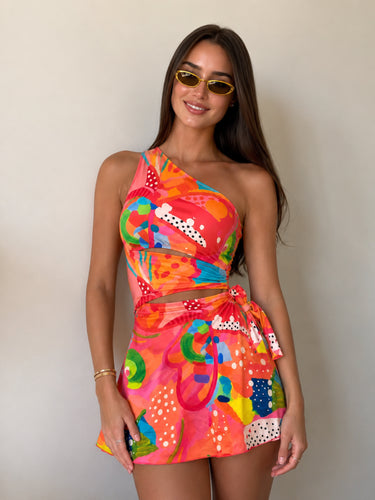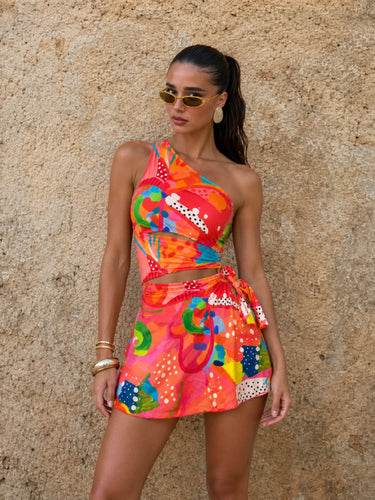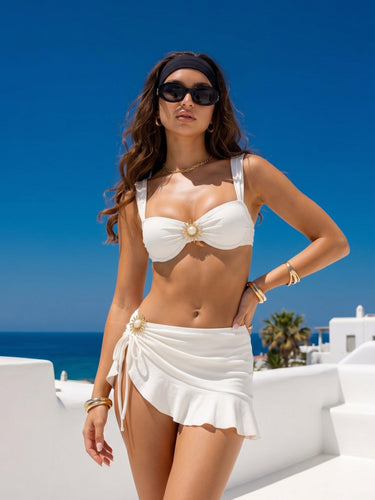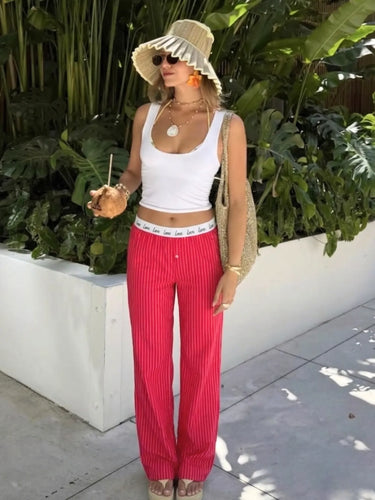
















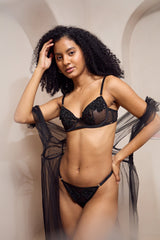
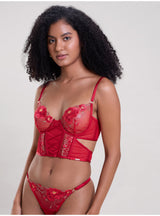
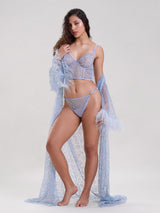
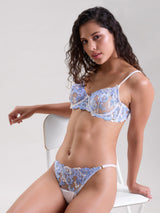







From sizing to fabric to care — everything you wanted to know before buying your next set of pyjamas.
Fit & Sizing
Should I size up or down in pyjamas?
Generally, size up if you want a relaxed, comfortable fit — which is what most people prefer in nightwear. Size to your measurements if you're choosing a more fitted style like a satin slip or nightgown. Check the specific garment measurements rather than just the size label, as nightwear sizing varies significantly between brands and styles.
Should pyjamas be loose or fitted?
This comes down entirely to personal preference and sleep style. Loose pyjamas tend to feel more comfortable for most people through the night, especially if you move around a lot. Fitted styles in stretchy fabrics can feel more secure and less likely to twist. There's no right answer — wear what you'll actually sleep well in.
What length works best for different heights?
Always look at garment measurements (the actual length of the leg or body), not just the size label. If you're petite, look for brands that offer petite sizing, or consider cropped pyjama sets. If you're taller, brands that offer a long inseam option make a significant difference.
How do I find nightwear that fits curvy or plus-size figures?
Look for styles with adjustable features — drawstring waists, adjustable straps on nightgowns — and check the size chart carefully for hip and bust measurements. If you're unsure, reach out and we'll point you toward styles that have worked well for similar measurements.

Fabrics & Comfort
What's the best fabric for warm weather?
Cotton and bamboo are the top choices for hot nights — both are breathable and moisture-wicking. Modal is another excellent option: it's slightly silkier than cotton and regulates temperature well. Avoid polyester blends if you run warm; they tend to trap heat.
What about cooler nights?
Flannelette (brushed cotton) is the classic for cold weather — soft, warm, and cosy without being heavy. Thicker modal or jersey sets also work well if you want something a little less casual. Layering with a matching robe adds warmth without needing to change your entire outfit.
Is satin nightwear comfortable to sleep in?
Yes — real satin and high-quality satin-feel fabrics are smooth against skin, cool to the touch, and very comfortable to sleep in. They tend to work best in warmer months or in climates where you don't need a lot of insulation.
What fabrics are best for sensitive skin?
Look for 100% cotton, bamboo, or tencel. These are the most gentle options and least likely to cause irritation. Modal is also generally well-tolerated by sensitive skin types. If eczema or skin conditions are a concern, bamboo and cotton are consistently the safest choices.

Style & Wardrobe
How many pyjama sets do I actually need?
Practically speaking: enough to rotate through the week without washing after every single wear. Three to four sets is a reasonable baseline — one or two everyday sets, one for warmer nights, and something you'd feel comfortable wearing if someone sees you in the morning.
What's the difference between sleepwear and loungewear?
Sleepwear is designed specifically for sleeping — prioritising comfort, breathability, and freedom of movement through the night. Loungewear is designed for being at home while awake — it's more structured and styled for visibility, while still being comfortable. Some pieces work for both; many are designed for one or the other.
Do matching pyjama sets actually matter?
Only if they matter to you. Matching sets tend to feel more put-together and intentional, which some people find genuinely makes them feel better at the start and end of the day. Mix-and-match pieces give you more flexibility. Both approaches are valid.
Care
How do I keep luxury pyjamas looking new?
- Wash in cool or cold water — heat is the enemy of both colour and fabric structure
- Turn items inside out before washing to protect the outer surface
- Use a gentle detergent without bleach or brighteners
- Air dry rather than tumble dry — especially for satin and modal
- Iron on a low setting if needed, or steam to remove creases without direct heat
Why do some pyjamas pill?
Pilling is caused by friction — fibres breaking and balling up on the surface. It's more common in lower-quality fabrics and in areas of high friction (thighs, underarms, waistbands). Quality fabric is less prone to pilling; washing gently and turning items inside out slows the process for any fabric.
Not sure which nightwear is right for you? Chat with us and we'll help →